Built by a licensed clinician,
not a tech bro.

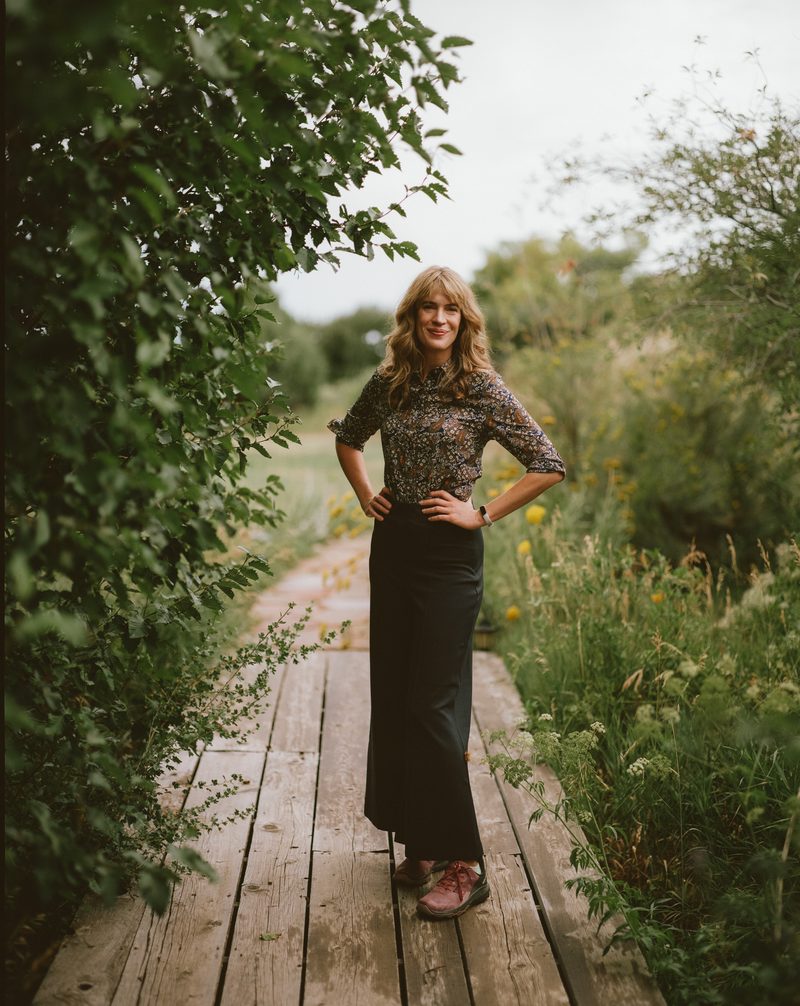
Dr. Anne Metz standing on a wooden boardwalk between summer greenery

Downstream isn't out to disrupt healthcare. It's software designed by someone who has worked in a dozen EHRs and understands this care model, for the people doing the work. The mission is to make psychedelic therapy work for everyone — not just people who can pay cash for it. And it is the data-safe option, on purpose.

Downstream was built by Dr. Anne Metz, LPCC, NMIT (CO), ACS. She is licensed as a counselor in five states and has been working in behavioral health since 2013. She also practices in Colorado's regulated access model at Numia Healing in Denver and is preparing to open her own practice in New Mexico's Medical Psilocybin Program in 2027. She hosts the podcast The Psychedelic Skeptic (Spotify). She learned to code in high school in a misguided attempt to meet boys. Who knew it would be useful?

Tech bros who like psychedelics are still tech bros. Private health information should not be a product.

The data-safe option

Health records attract people with bad ideas and poor incentives. Here is what Downstream will never do with yours.

1

No data scraping

Nothing in your record is scraped, mined, or used to train anything. Downstream hosts the record and cannot see inside it unless you invite us in.

2

No data selling

Your data is not a revenue stream. We charge for software and for billing work. That is the entire business model.

3

No blockchain, no AI gimmicks

The record is plain, dependable software: nothing on a chain, no chatbot in the chart, and nothing in your records ever used to train anything. Where software helps with billing paperwork — drafting a claim or a prior auth — it cites the rule behind every code, and a person approves it before it goes anywhere. AI will never make a care decision or talk to a patient.

4

No venture capital

Homegrown New Mexico software, owned by the clinician who built it. No one who needs to see a speedy return on their investment, and no growth pushed at your data's expense. And if you have a problem, you get a person to solve it (probably Anne!).

Your patients are not the product.

Questions clinicians ask

Who hosts the record, and who can see it?

Downstream hosts it on Google Cloud under a Google Workspace BAA. Each practice gets its own login and its own walled-off record, and Downstream has no access to that record unless the practice invites it in. Telehealth sessions run through Zoom under a BAA, not Google Meet.

Does Downstream use AI or sell data?

Your data is never sold, scraped, mined, or used to train anything — that is permanent. The record itself is plain software with no AI in it and no blockchain. On the billing side, software drafts paperwork like claims and prior authorizations, citing the rule behind every code, and a person approves every one before it goes anywhere. If AI ever helps draft that paperwork, the same rules hold: trained on nothing of yours, reviewed by a person, and never near the chart or a care decision. Downstream charges for software and billing work; your patients are not the product.

Book a call.

Pick a time that works, tell us where you practice and what you're interested in — record system, billing, superbills — and we'll take it from there.

Book a call
You'll talk to Anne, not a sales team. Prefer email? [email protected]